Contact: +48 509 669 713Local warehouse in Poland
Cart0
PLEN

BUYING GUIDE

How to choose energy storage for solar panels

An energy storage system, individual cells or a DIY component? Start with your requirements and who will build the installation.

Illustrative image: Energy storage01 /

ENERGY STORAGE SYSTEMS

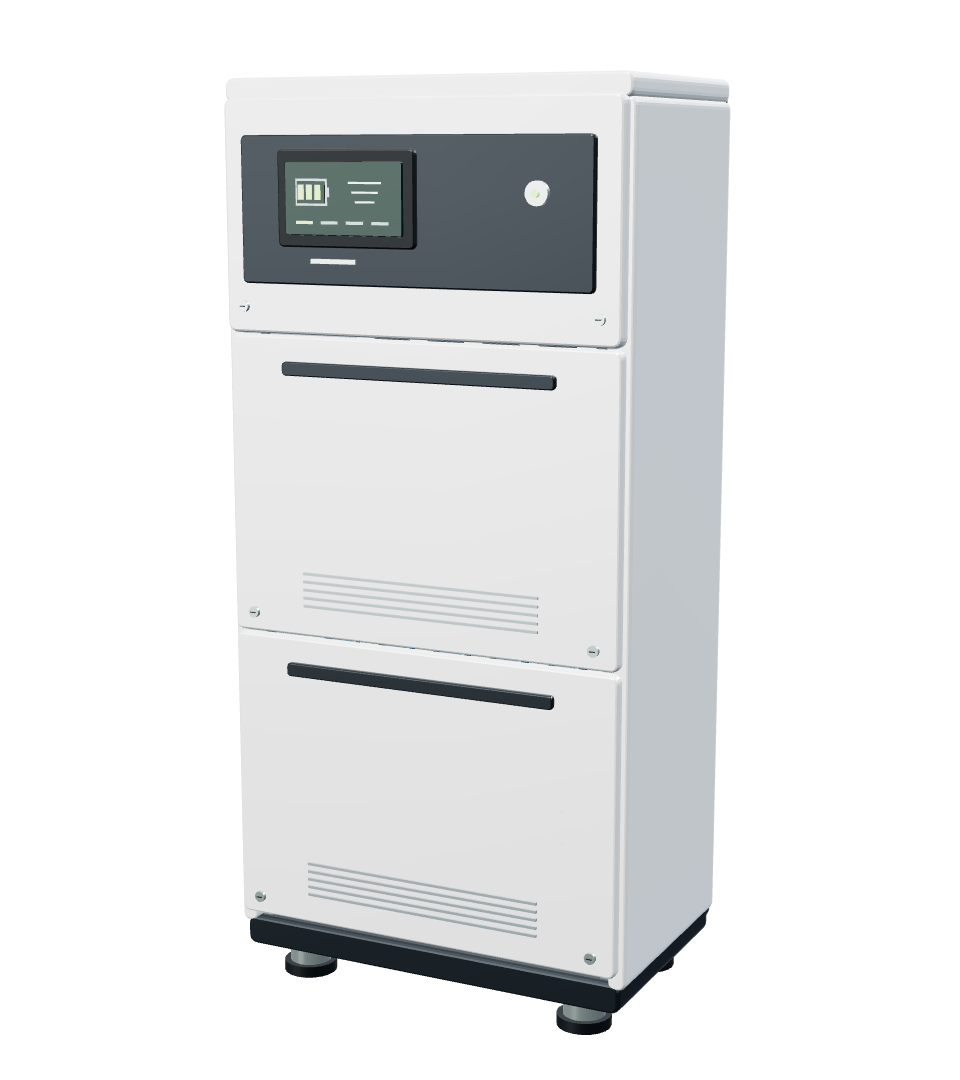
Start with energy storage.

Choose an energy storage model as a starting point for discussing your installation.

  • Compare the three models in our catalogue.
  • Prepare the details of your planned installation.
  • Confirm the datasheet and compatibility before choosing.
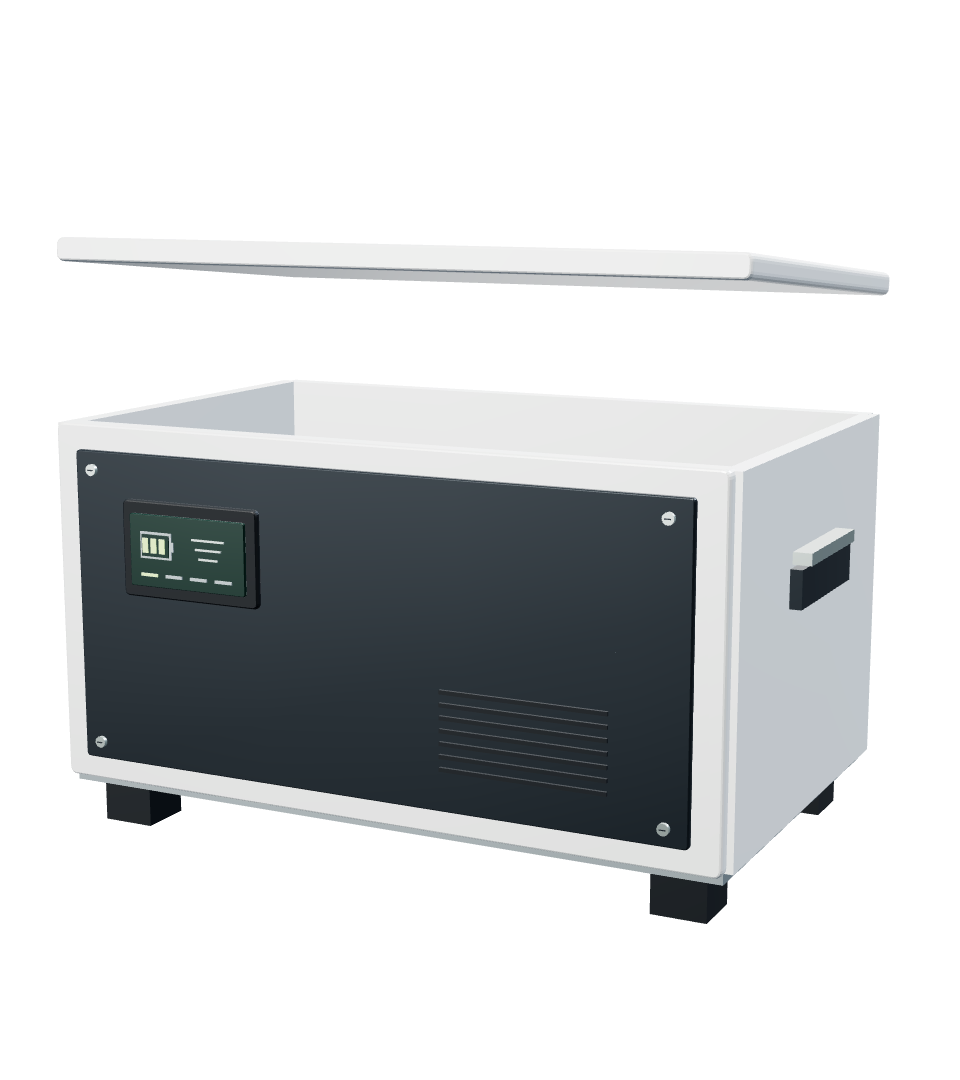
Energy storage
Illustrative image: 314Ah cells02 /

BUILD YOUR OWN SYSTEM

Build your own system.

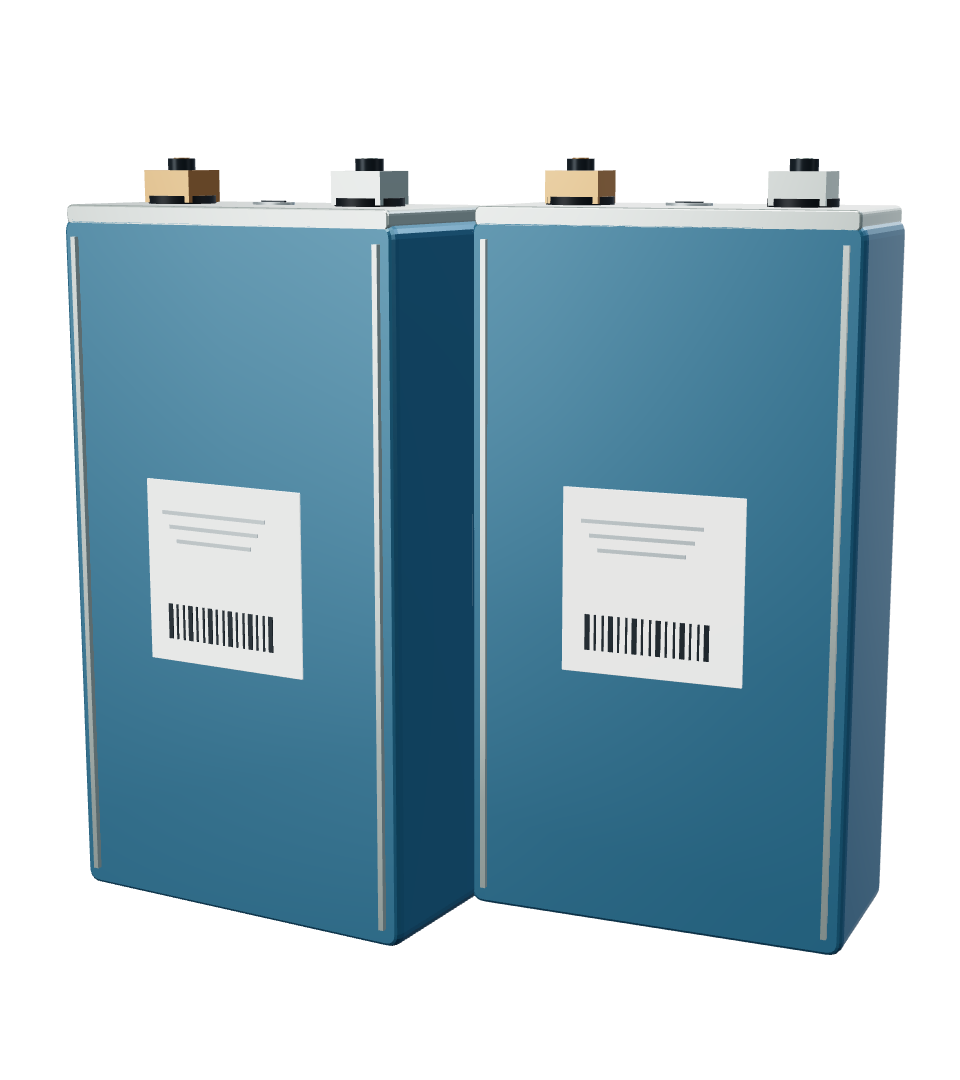
DEJIN 314Ah cells. Choose the quantity for your project.

  • Explore DEJIN 314Ah cells.
  • Choose your quantity — the minimum is 4 cells.
  • Check quantity pricing; the price for 16 cells needs confirmation.
314Ah cells
Illustrative image: DIY components03 /

YOUR PROJECT

Components for a DIY build.

A starting point for your own build. Component details will be confirmed before ordering.

  • Explore the BE-DIY-SK51300-200A-JK-New component.
  • Confirm the exact contents and compatibility of the kit.
  • Add your chosen component to your cart.
DIY components

How to estimate the storage capacity you need

  1. Check your meter or inverter data to see how much energy you use after solar generation ends. Compare several typical days from different seasons. Annual consumption provides context, while evening and overnight consumption helps size storage for a typical day.
  2. Choose your goal. If you want to use surplus solar energy in the evening, check how much energy you can normally store during the day. For backup power, decide which appliances need to run and for how many hours.
  3. Estimate energy demand in kWh. Appliances with an average combined power of 2 kW running for 4 hours use approximately 8 kWh. This is an example of energy required by the appliances. When sizing the battery, account for usable energy, losses and a reserve.
  4. Check power in kW. Compare the combined power of appliances that may run simultaneously with the inverter power. For a three-phase installation, ask your installer to check the requirements of each phase and backup operation if needed.

Once you have consumption data and your existing inverter model, compare all-in-one energy storage systems. In your enquiry, also say whether you want to store surplus solar energy, power selected appliances during an outage, or combine both uses.

BEFORE YOU CHOOSE

What to check before buying

01

Installation requirements

Outline your requirements and how you use energy. Product selection and compatibility need confirmation.

02

Product documentation

Check the detailed datasheet and what is included with your model.

03

Complete quotation terms

Confirm availability, shipping, VAT, customs and sales terms before ordering.